REAL SEATTLE GRUNGE
Yes, this is a music blog all of a sudden.

Since no one reads this blog, I can write about anything I want. So this is now a deep dive into the Seattle Grunge scene of the 80s and 90s. You'll have heard of Nirvana. Forget that shit. Let's go back to the start.
First, listen to a carefully-curated 86-song playlist to accompany this article:
https://open.spotify.com/playlist/2uWdQs9jwj9yZE9leNxZa3?si=eZhzup7ITRGofrFPMrsAvg&pi=9eBn4WAkTnSbe
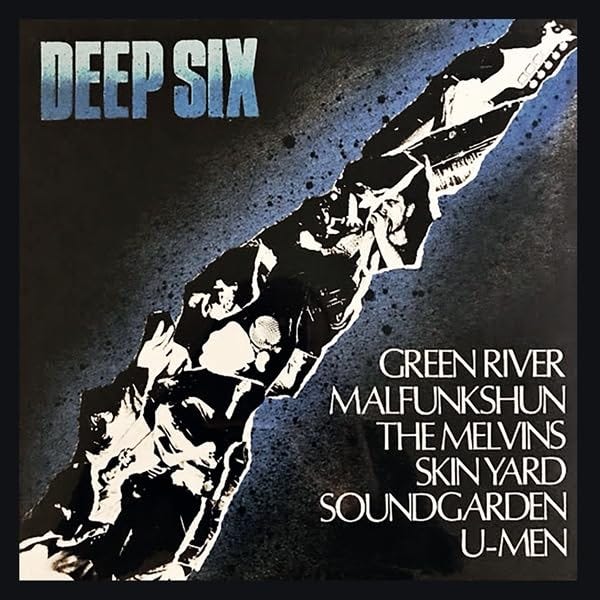
In 1986 there was a compilation of six Seattle bands called Deep Six. These six bands can tell you the entire history of Grunge.
1. Soundgarden
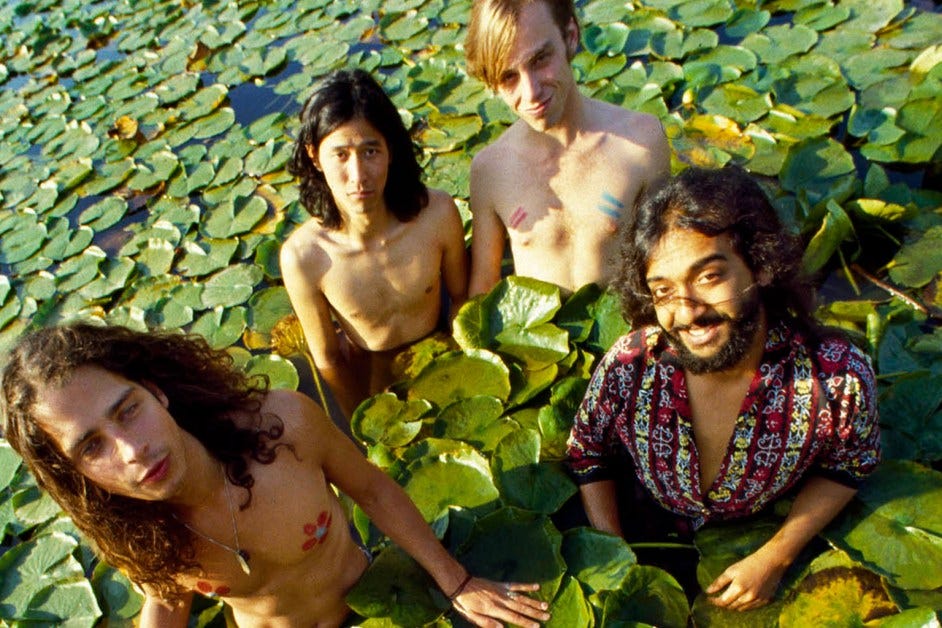
We're starting with the first and the last great Grunge band. This was an unusual band. Like most of Grunge there's a bit of punk and a bit of metal in the mix, but this band was almost like a gothic Beatles.
Drummer Scott Sundquist supports them on the Deep Six recordings while their future drummer Matt Cameron (formerly of Bam Bam and Feedback, later of Temple of the Dog and Pearl Jam) also appears on the record as a member of Skin Yard.
Also appearing on Deep Six as an early member of Soundgarden is bassist Hiro Yamamoto who actually left the band due to artistic differences just as they were about to make it big.
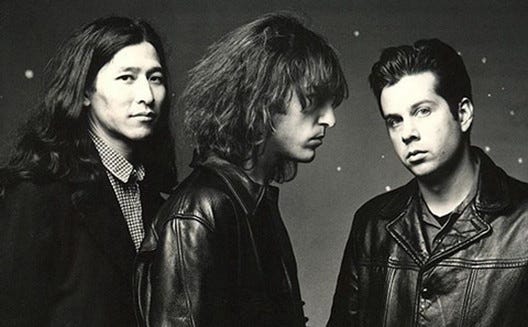
He went on to thrive as a member of the overlooked Grunge supergroup Truly which also included a rejected Nirvana guitarist and a former Screaming Trees drummer. Truly was a truly excellent band in its own right.
The rest of Soundgarden was the awesome metal guitarist Kim Thayall and the exceptional singer-songwriter Chris Cornell.
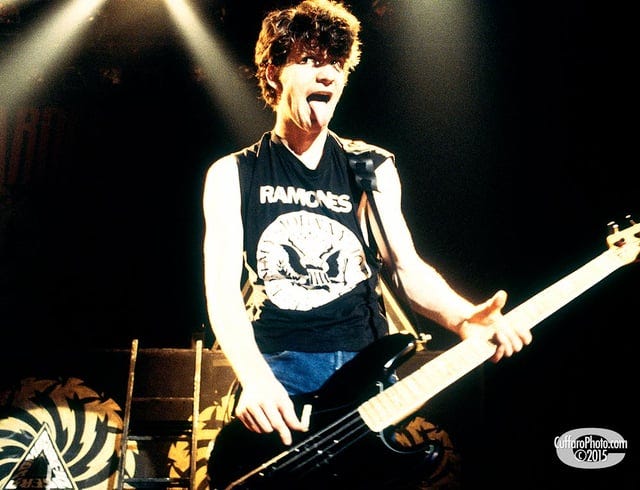
In the 90s their new bassist Ben Shepherd introduced a unique psychedelic element to their heavy compositions and saw them through a period of commercial and critical success.
From the start, Chris Cornell's anguished lyrics were present, and by the end of the 90s when he was addicted to alcohol and pills and he broke up the band, his lyrics were explicitly suicidal. He managed to hang on for about 20 more years before killing himself.
Soundgarden records were quite simply better than any of their competitors. We could just stop here. But we have to talk about Andy Wood.
2. Malfunkshun
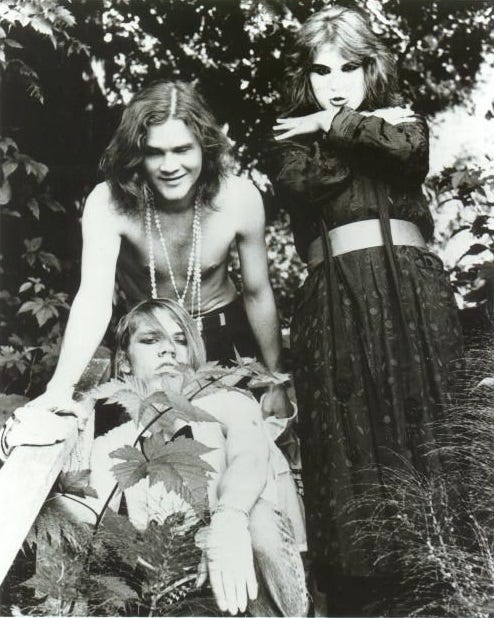
Chris Cornell's housemate Andy Wood was the singer in the science fiction rock act Malfunkshun. He would perform as if he were Freddie Mercury at Live Aid, even if there were only a few people in the audience. This was both funny and endearing. And he developed a talent as a frontman which became clear in his next band, Mother Love Bone, which got as far as being signed by major label PolyGram and recording an album.
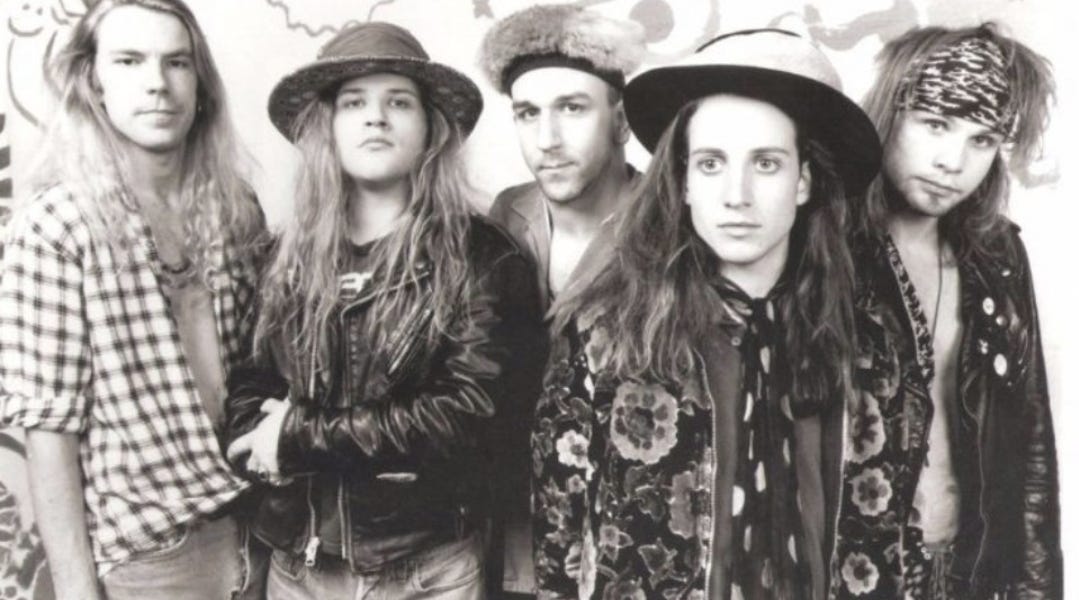
Unfortunately Andy Wood developed a heroin habit which caused his death at age 24. This is a hugely significant moment in the history of rock music. While he perhaps wasn't quite Jimi Hendrix, he was a talented and charismatic rocker who would likely have gone on to greater things had he survived. His loss changed the music coming from (and into) Seattle and made space for other bands to make it big in his place.
Andy Wood's death traumatised Chris Cornell and he and other friends and contemporaries have recorded beautiful songs about and by him. Shawn Smith deserves a special mention here. Not a Grunge artist really but one of the great Seattle singers and his song about Andy Wood features in the Sopranos and is included on the playlist at the end of this article.
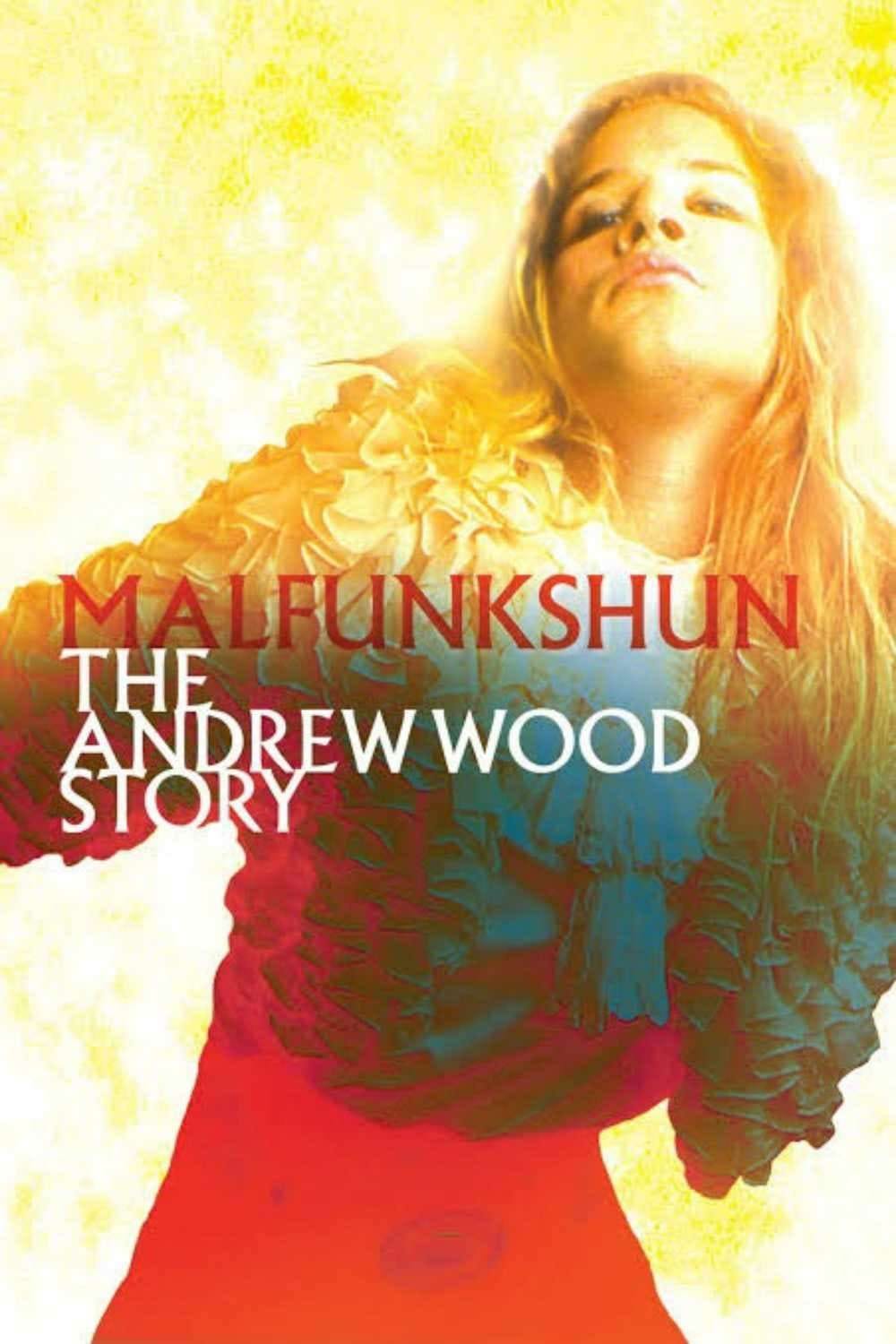
There is an excellent documentary about Andy Wood which is also called Malfunkshun.
3. Green River
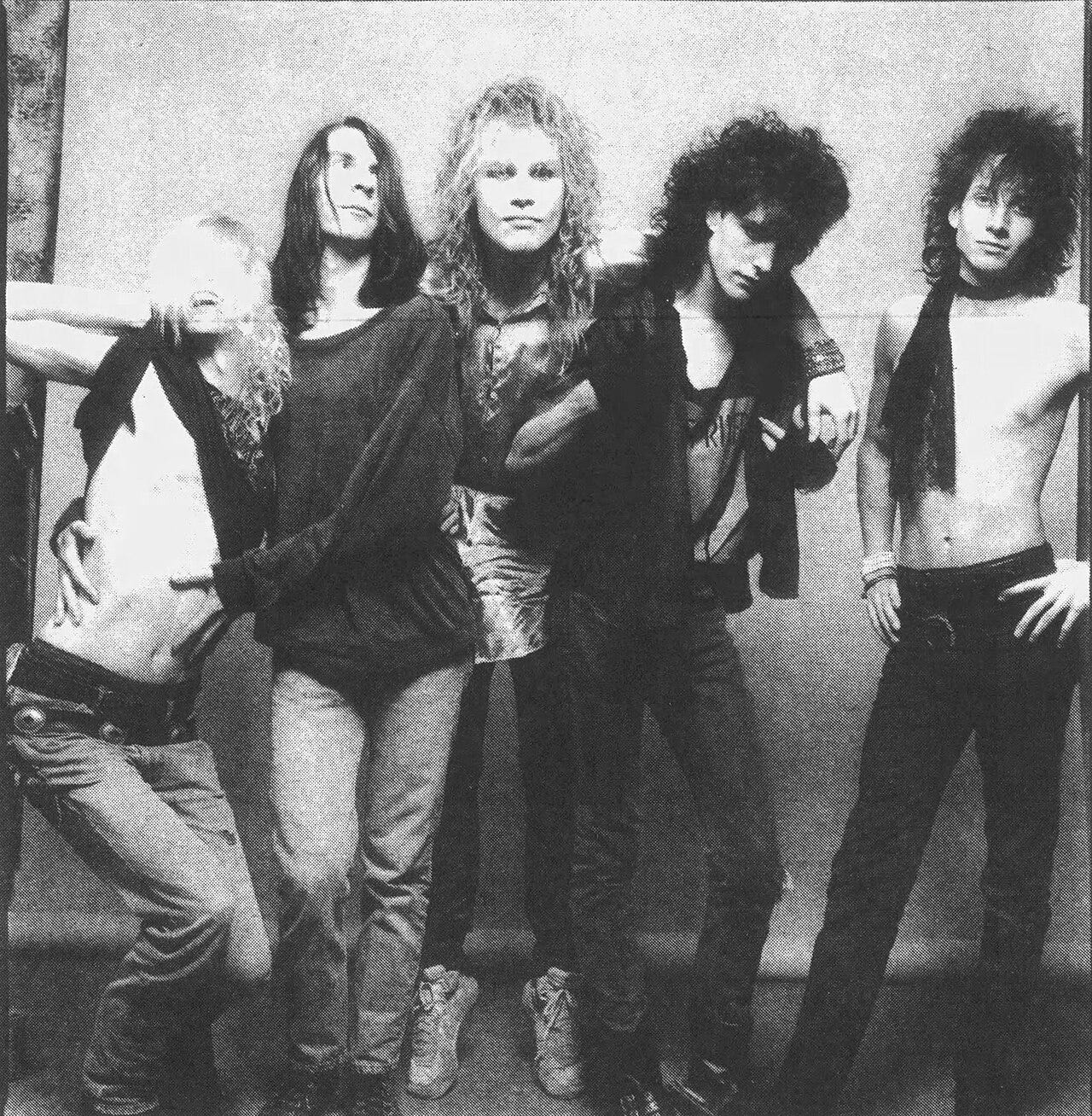
Green River represent a few things about Grunge.
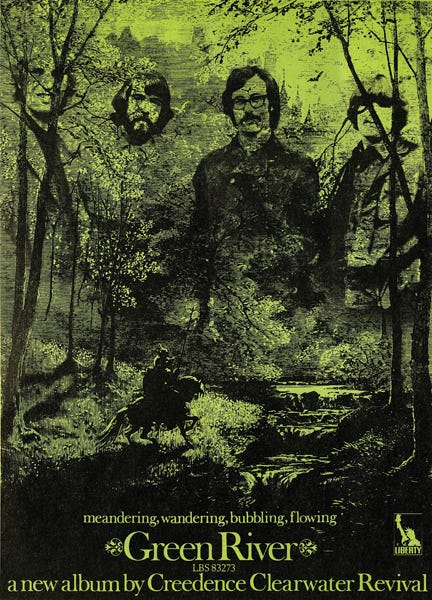
One is the influence of the band Credence Clearwater Revival on the music of Seattle: not only did their album and song inspire the name 'Green River', but Nirvana began as a Credence Clearwater Revival tribute band, and Soundgarden and Melvins also cited them as an influence. Other key inspirations for Grunge were the Stooges, Black Sabbath, Neil Young & Crazy Horse, and of course Never Mind the Bollocks, Here's the Sex Pistols.
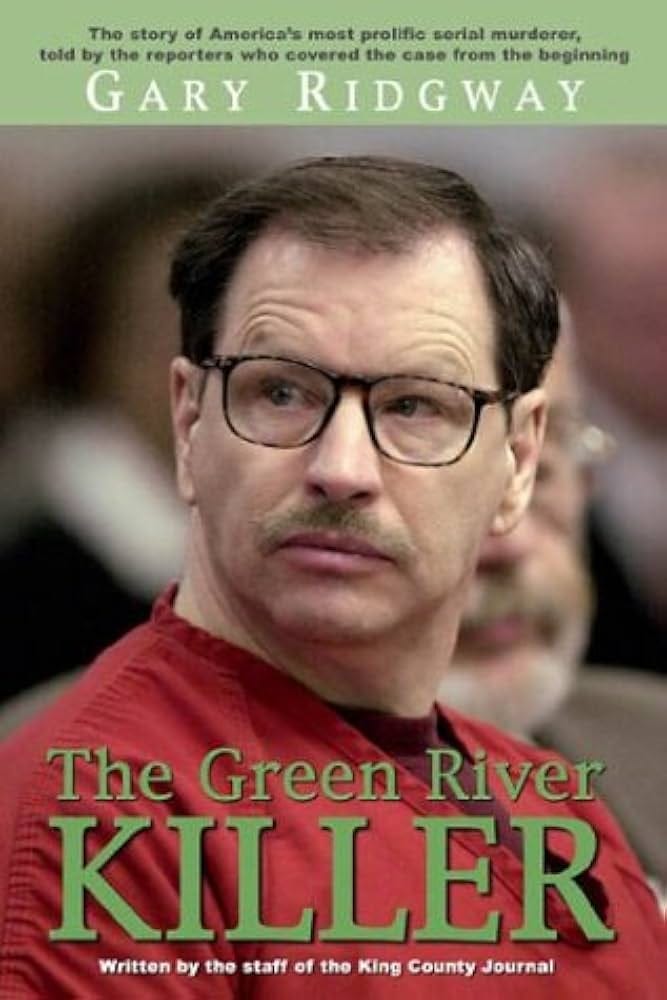
Another is the fact that Grunge is a musical style that emerged in the context of active serial killers prowling the Pacific North West of the USA, including the Green River Killer. Think of the economic and social dysfunction this implies.
More importantly, Green River represent the two sides of Grunge, both difficult to put into words but encapsulated in the two major bands formed by Green River members: Mother Love Bone (see above) and Mudhoney. The former was a traditional rock band headed for the big time. The latter was a punk rock experiment designed to remain in the indie world.
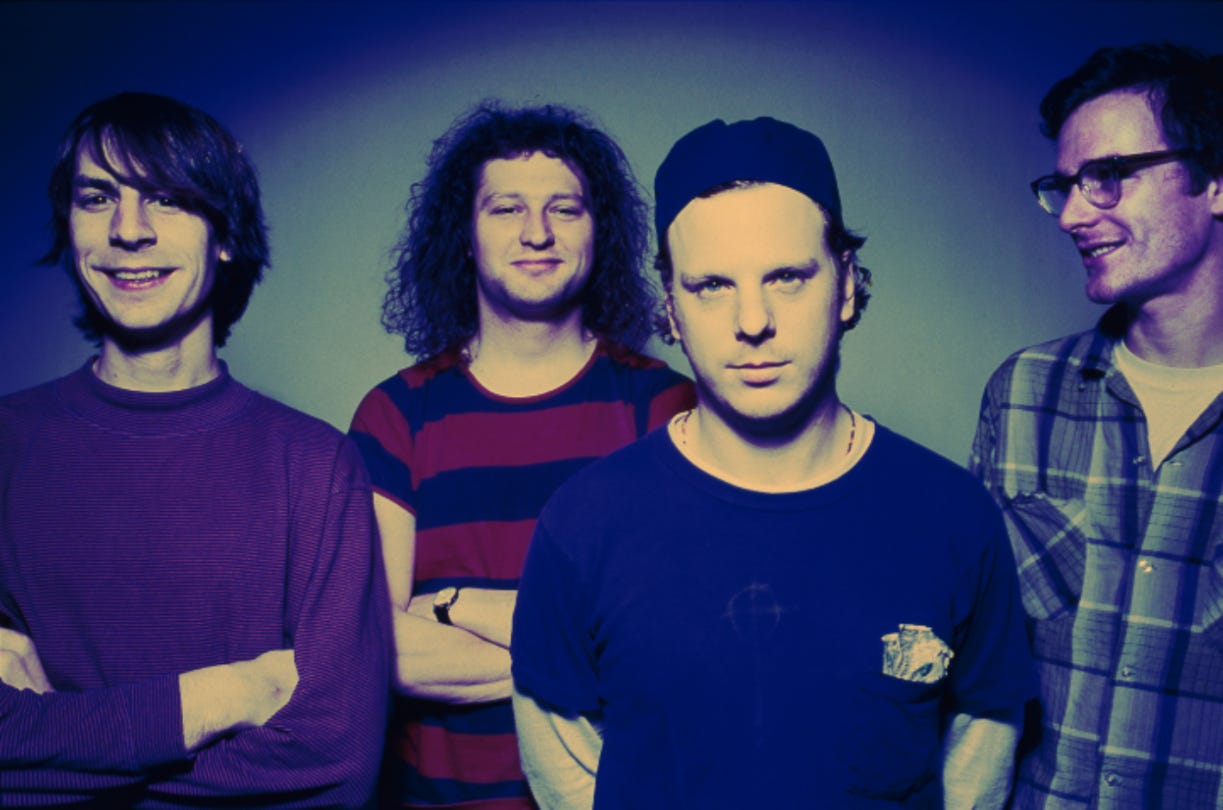
Neither band was better than the other, but they were quite distinct, and Mudhoney perfected a dirty guitar sound that defined grunge. Mother Love Bone, as we have seen, met a tragic end. Chris Cornell began to write new songs and joined with surviving members of Green River/Mother Love Bone to record them as Temple of the Dog.
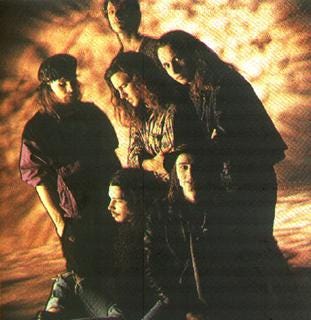
A smooth singer from California was recruited to lead a new band with members of these groups, and this became Pearl Jam. Chris Cornell welcomed this new outsider and dueted with him on a Temple of the Dog track.
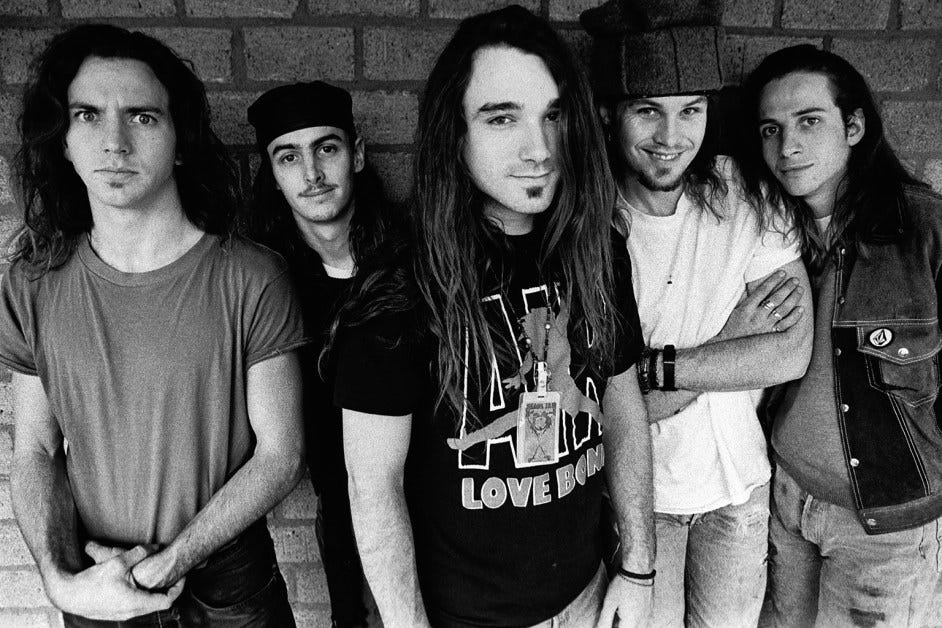
Early Pearl Jam made some very interesting transitional music and Eddie Vedder should be credited for his creation of a series of dark songs based on demos by future bandmates Stone Gossard, Mike McCready and Jeff Ament. The song cycle tells the story of a victim of incest who becomes a serial killer and ends up in prison. Despite being a very smiley and pretty surfer, Vedder made himself very welcome in town with his grungy writing and magnetic personality (unless you were Kurt Cobain; more on this later).
4. Melvins
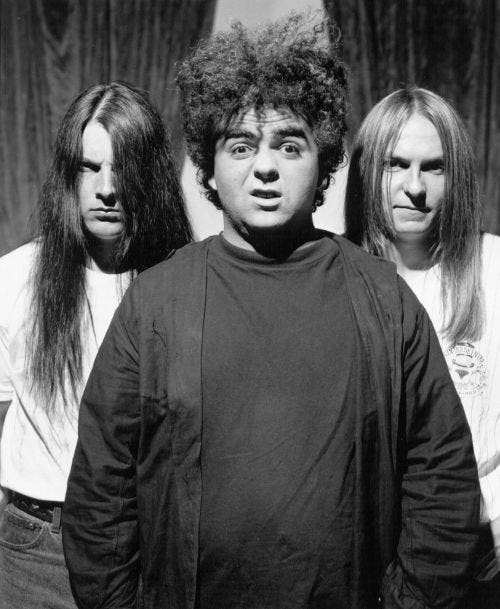
Melvins were outsiders to Seattle and didn't stay long. But they had a bassist who became a founding member of Mudhoney and they invented Nirvana. Some credit them as the first Grunge band but they were definitely one of the best.
Melvins are the tightest and most enduring Grunge band that ever did or will exist. Still making wonderful recordings, and still overlooked by most of the world, they are a treasure. They are so unique that it is reductive to compare them to anyone, but imagine if Captain Beefheart did heavy metal and you're not far off.
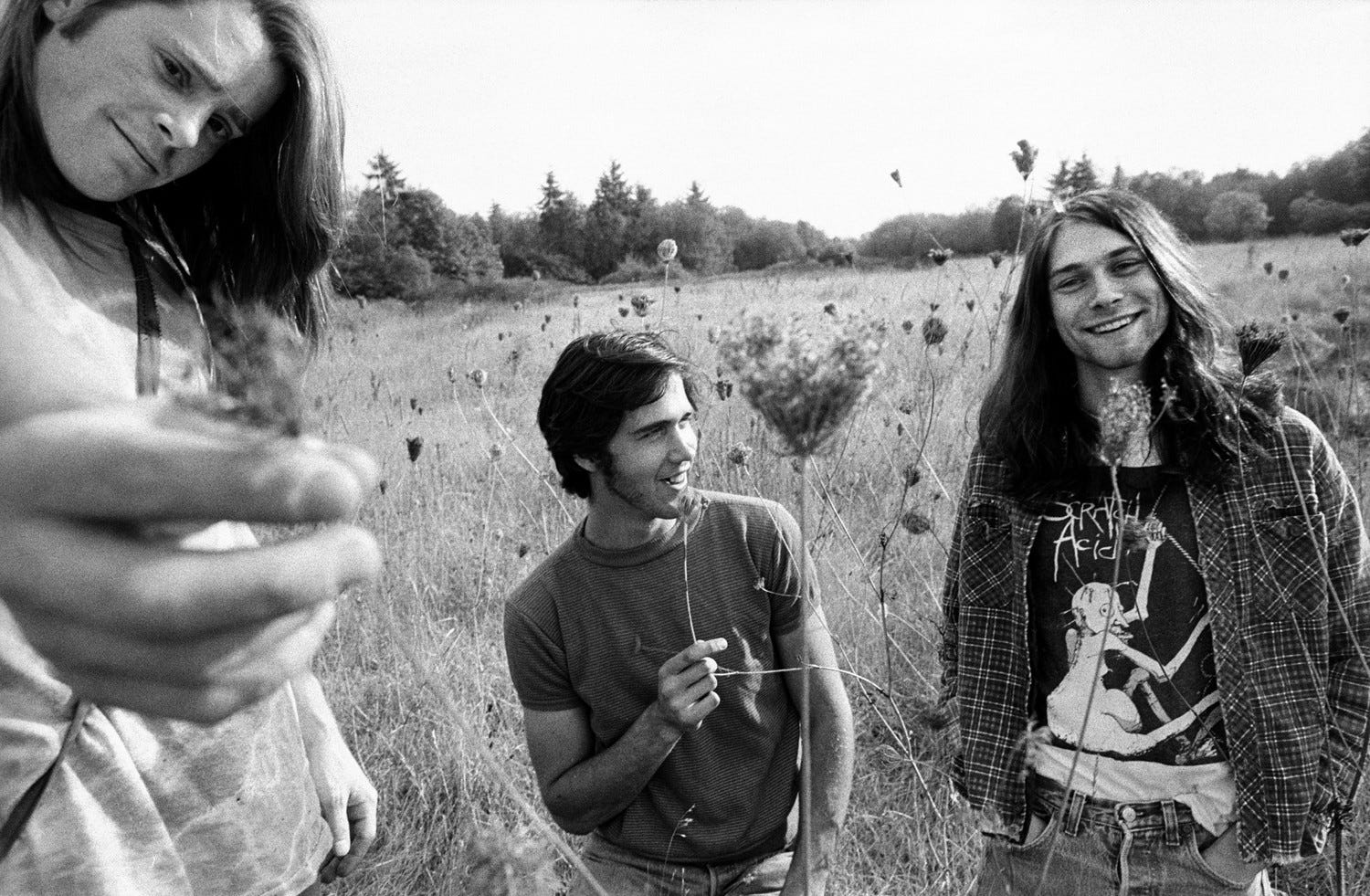
Melvins had a couple of hardcore fans early on, and they were Krist Novoselic and Kurt Cobain, a young man who proved hungry for both fame and indie credibility, a contradiction which may have contributed to his heroin addiction and suicide. Together with the Melvins drummer Dale Crover (possibly the very best drummer in this whole Grunge saga), they formed Nirvana.
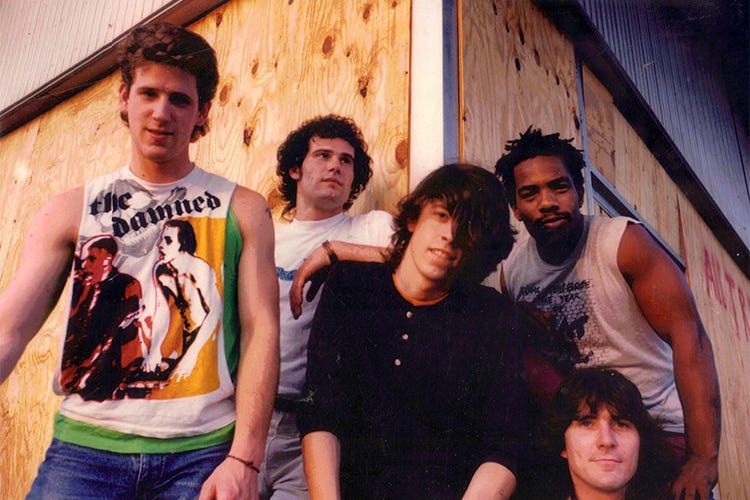
Later in their career they were introduced by the Melvins to a new drummer called Dave Grohl from the band Scream. Soon after that they were megastars and Seattle was never the same again. Cobain took a disliking to fellow Grunge stars Soundgarden and especially Pearl Jam. He seemed to have more affinity with the fourth big Grunge band Alice in Chains, with whom he had heroin in common.
Melvins remained one of Kurt Cobain's favourite bands and his friends and sort-of collaborators into the 90s, and the Melvins were about to name one of their albums after him when he was found dead and they changed their minds.
5. U-Men
Also featured on the Deep Six compilation was a strange band called the U-Men. Set apart from grunge, this was a sort of rockabilly-inspired avant-garde garage act named after a Pere Ubu record.

The U-Men was the first band managed by Susan Silver, who also managed Alice in Chains, Screaming Trees and Soundgarden, and who married Chris Cornell.
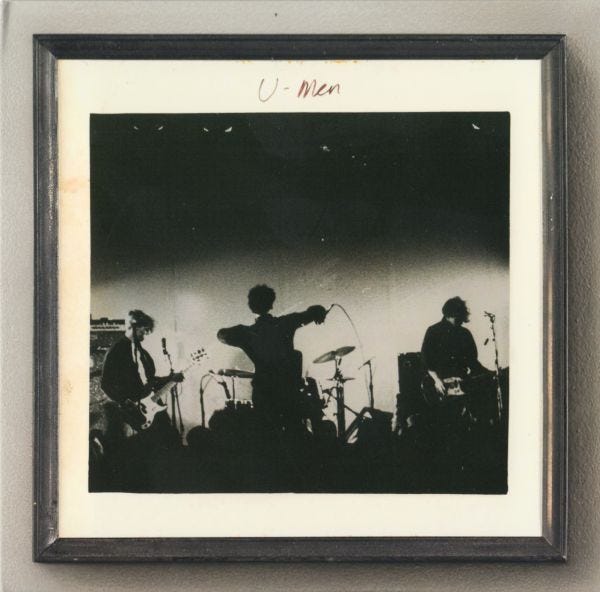
The U-Men's complete works can be heard on a single compilation album remastered by Jack Endino of Skin Yard. It's pretty noisy and odd but pretty good too.
6. Skin Yard
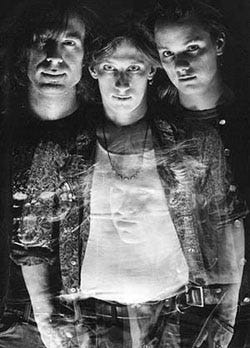
Skin Yard was not one of the great bands in Seattle history but some very important people went through this band before achieving greatness. Jack Endino perhaps more than anyone. Still an acclaimed record producer now, he made his reputation as producer for Soundgarden, Green River, The Thrown Ups, Mudhoney, Tad, Screaming Trees, Nirvana, Love Battery (featuring U-Man Jim Tillman), Gruntruck (featuring Skin Yard singer Ben McMillan), The Accüsed, Gas Huffer (featuring U-Man Tom Price), L7, Babes in Toyland, and 7 Year Bitch, to name only the grungiest.
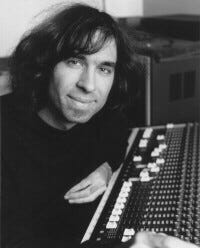
Another important figure to have joined and left Skin Yard is the drummer Barrett Martin.
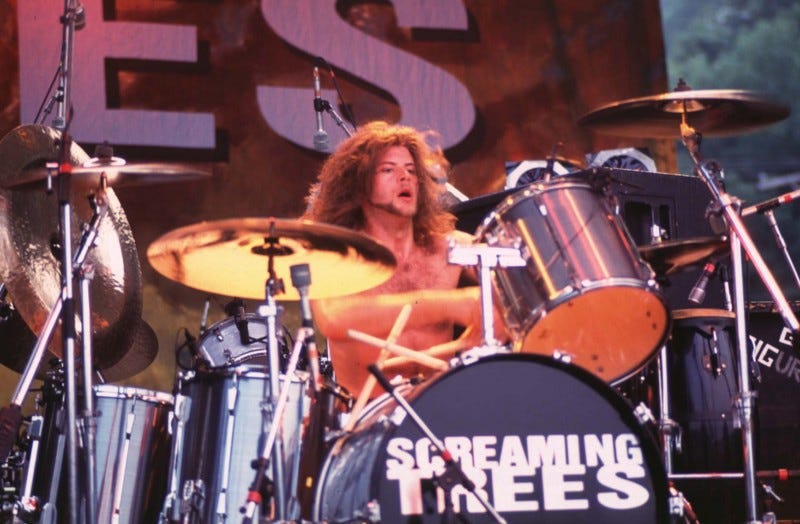
He moved onto Screaming Trees when they became a vehicle of Mark Lanegan's songwriting, and began to have critical and commercial success, hampered significantly by Mark Lanegan's extreme alcohol, heroin and crack addictions which are chronicled in his incredible memoir Sing Backwards and Weep: possibly the greatest rock autobiography in existence, and read mesmerisingly by the author as an audiobook.
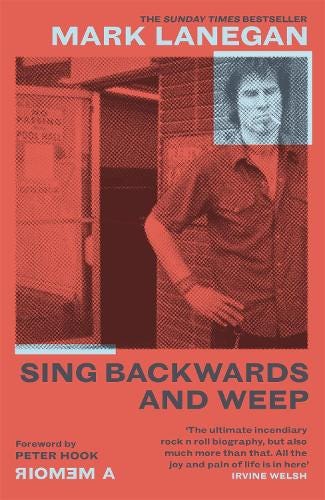
Barrett Martin himself has written several books including a new one about the Screaming Trees.
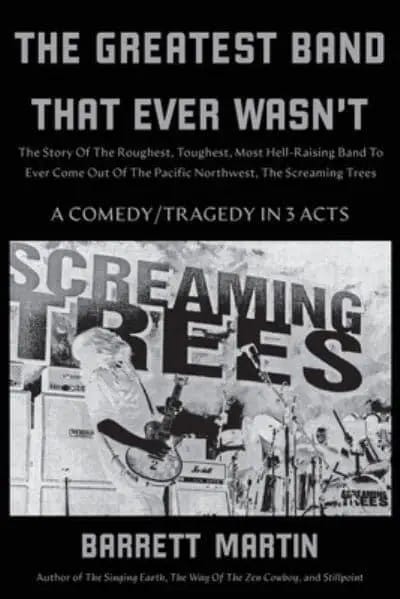
Also a really interesting read, albeit rather less dramatic due to his all round better behaviour and literally Zen persona. From his books and his recording career you will find that Barrett Martin slowly became a phenomenal musician and philosopher of music. He was briefly a member of REM and chose to quit in order to retain artistic freedom and, presumably, to earn considerably less money.
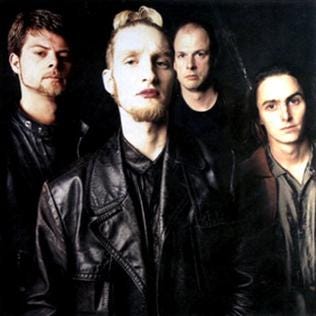
In terms of Grunge History we now need to talk about Mad Season. Not the best grunge supergroup, but the most commercially successful and with some great songs and performances. In that band Barrett Martin was joined at various times by Mark Lanegan, close friend Peter Buck of REM, Layne Staley of Alice in Chains, Mike McCready of Pearl Jam, and jazz bassist John Baker Saunders. Being a mixture of people in various stages of worsening or lessening addictions, the band could not survive. Members returned to other projects.
Baker joined mature Seattle band the Walkabouts before dying from an overdose in 1999. Staley became skeletal and reclusive before finally dying in 2002 on the same date that Kurt Cobain had died in 1994. Mark Lanegan's first memoir (see above) details their intense and fascinating friendship.
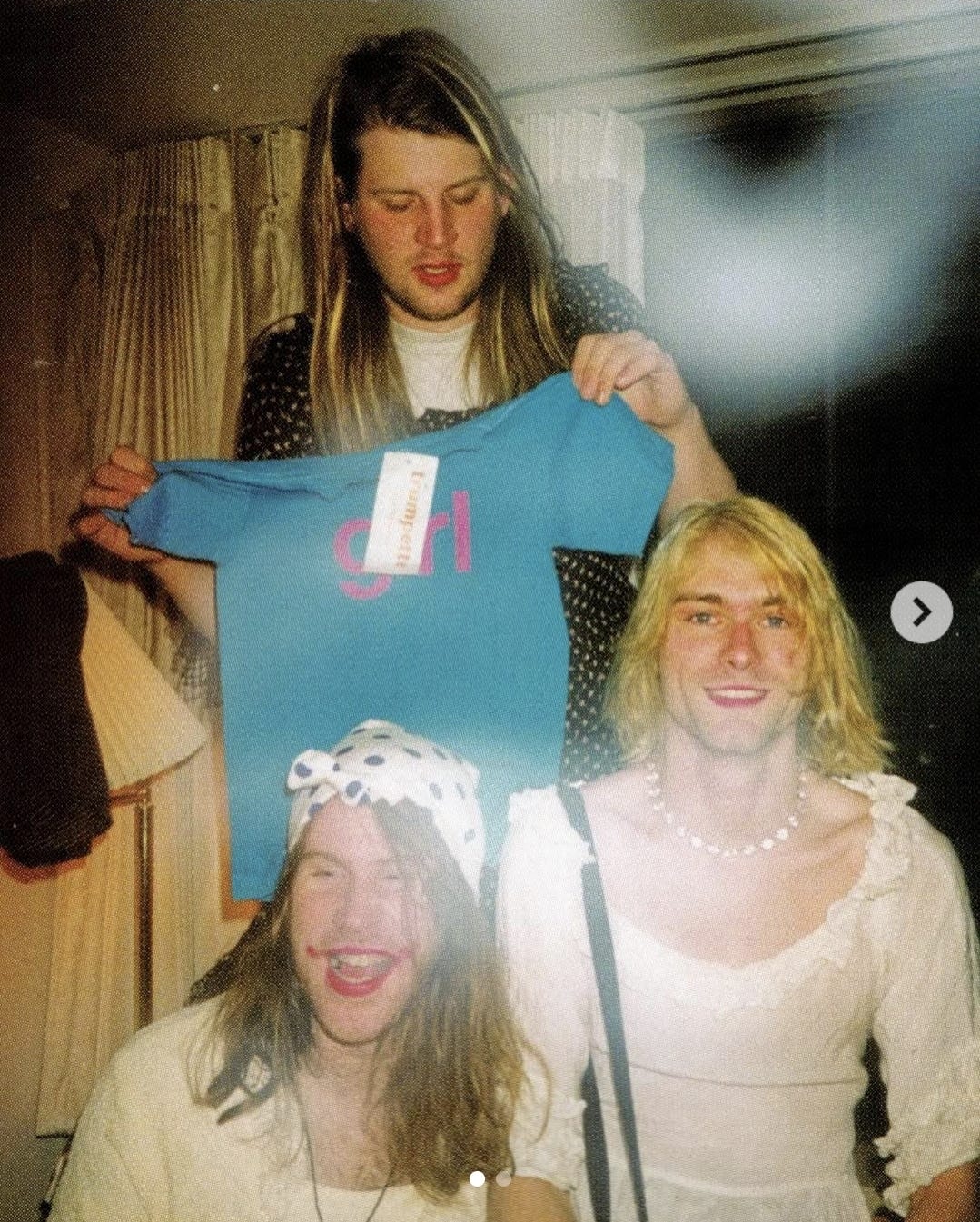
Mark Lanegan and Kurt Cobain were also partners in crime and quite close, and they had a mutual friend who Lanegan also lived with, fellow junkie genius Dylan Carlson.
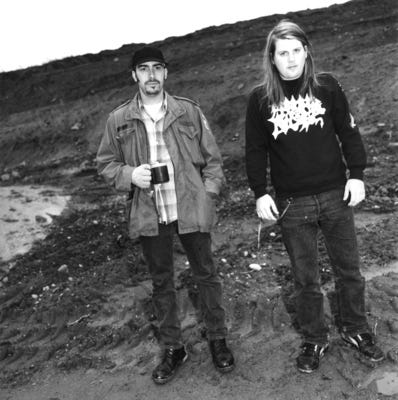
Known for buying Cobain the gun he used to kill himself, Dylan Carlson formed the band Earth and invented 'drone rock' which is a sort of slow, minimalist adaptation of heavy metal. Cobain sings on one of their early recordings, Lanegan sings on some later recordings. Earth have made some incredible movie-soundtrack-style epic pieces of rock. Sort of like an aspect of grunge taken to an extreme by a very bold mind. Carlson is a true artist, still with us but immortalised in a couple of songs by the late Mark Lanegan and in a recent documentary film.
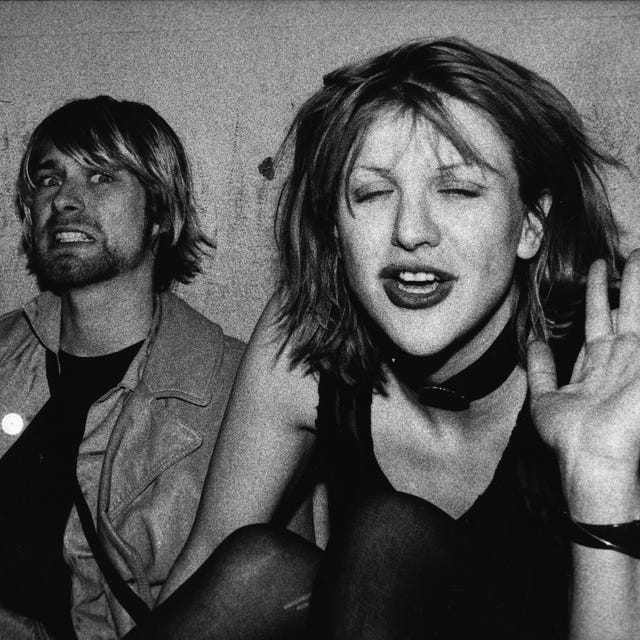
Famously Nirvana changed the world and Grungey music spread far and wide, but outside of Seattle it was never the same. One person who moved to Seattle and played a key role in its musical history was of course Courtney Love of the band Hole, who became Kurt Cobain's wife. A bit of a character as they say. She seems to have lived several lifetimes before even meeting Kurt Cobain.
She was at one stage the lead singer of Faith No More, before forming a band called the Pagan Babies with future members of L7 and with Kat Bjelland who would go on to form the wonderfully Grunge-y band Babes in Toyland.
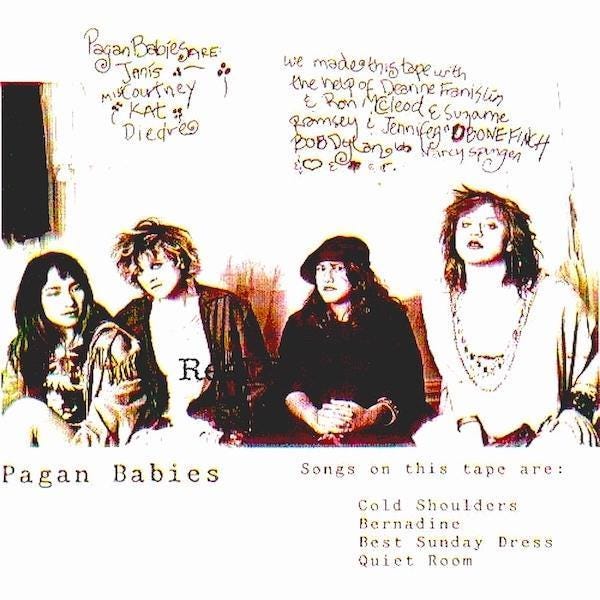
None of these bands were Seattle-based but they became connected to that scene in various ways as did other important alt rock acts such as the Butthole Surfers, Sonic Youth and Dinosaur Jr.
Kurt Cobain's brief fame and sudden death contributed to the Seattle Grunge phenomenon petering out in the second half of the 90s. But there were many record business dramas and premature deaths in this scene. The worst by far has to have been the rape and murder - in the street, by a stranger - of Mia Zapata in 1993. Her band the Gits were emigrants to Seattle. But they made better records than most. Perhaps they were a straight punk band rather than Grunge per se, but Zapata did act as a mentor to the very Grunge 7 Year Bitch who immortalised her on their own album cover, in its title, and in its best song, after she died.

The crime remained unsolved for years. There is an episode of *Unsolved Mysteries* about this on youtube, as well as a feature-length documentary. Like the Andrew Wood story this is fascinating chiefly because she was so talented and died so young at 27. Zapata's lyrics were quite detailed and her performances a little like Wood's in the sense that there was a lack of inhibition. Which is great when you can sing and you have things to say. And from records you get the sense she had a sense of humour but her songs could be quite profound. (I do like Nirvana... but can the same be said of them? I don't think so.)
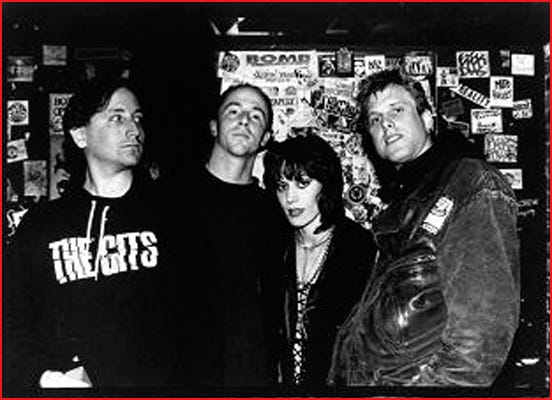
Part of the evidence of the quality of the songs comes from recordings of Joan Jett, a veteran rocker, perfoming Zapata's songs very well with the Gits after her death (under the name 'Evil Stig'), in an attempt to raise money to investigate her murder. All the big Grunge acts who were rich by this point seem to have contributed to the fund as well. But the murder was ultimately solved in confession by the culprit himself, imprisoned for another crime.
But let us end on a - sort of - lighter note. Let's look again at Courtney Love. Her story is interesting. She has wandered from music scene to music scene. Her own music isn't bad but her character is what she is know for and there are definitely some pros and cons. Mark Lanegan disliked her and yet credited her with saving his life by using her money to pay for his rehabilitation. She also appears to have done the same for Dylan Carlson.
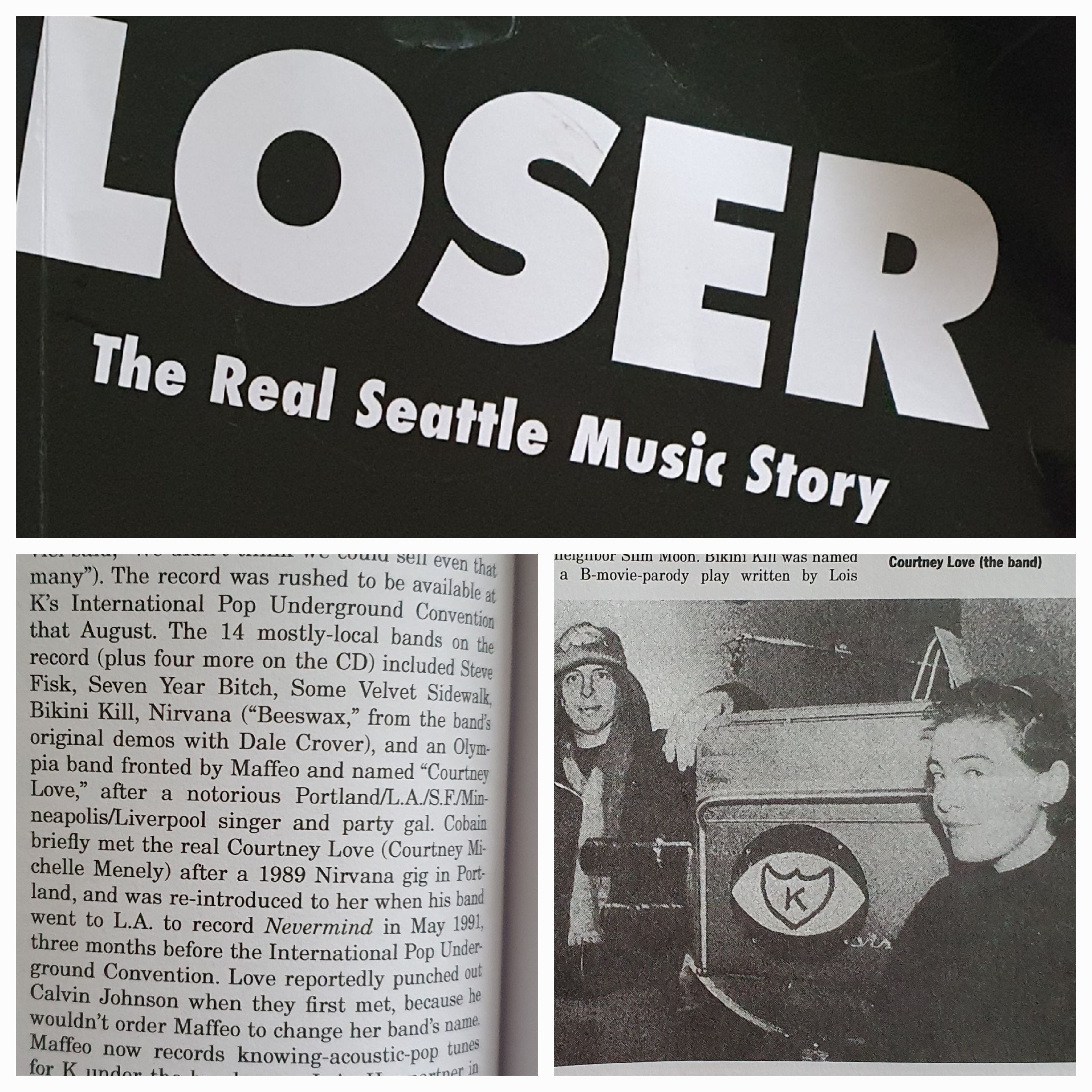
There seem to be rather a lot of songs written about Courtney Love. There was even a little band in the vicinity of grunge which was named after her, well before she was a household name.
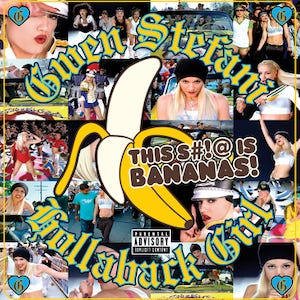
The songs about Love are weirdly good (with one or two exceptions, see image), and some were big hits. None of them portray her in a positive light but you have to wonder what her place in the universe is if she can inadvertently inspire such great songwriting and performances in others (and herself occasionally), in a variety of styles. Is she literally a muse? As in: an ancient Greek goddess; a daughter of Zeus? I’m sure she would like to think so.